
Introduction
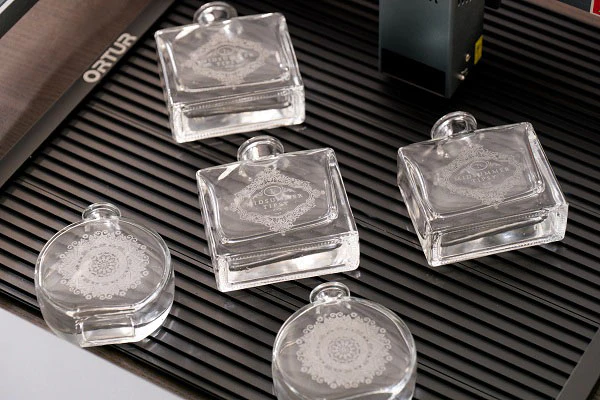
Etching a photo to a simple piece of glass is a great way to decorate your living space which is a process of creating decorative designs, patterns, or images on the surface of glass by removing a small amount of the surface material through different methods. Glass-etched items are loved by many and can also be gifted to other people during celebrations and other functions. There are several methods to transfer the photo to the glass, but the most effective one is laser engraving.
In the past, different traditional techniques were used including acid etching, sandblasting, and glass etching creams. Modern techniques include laser engraving and cutting on glass for photo etching is a delicate technique to produce beautiful, and detailed impressions images but requires a great amount of technique and skill. This tutorial below will take you step by step right from the choice of tools and materials to the set of skills necessary to get the professional outcome.
What you need for Photo Etching on Glass
1. Glass items
You can select a wide variety of glass types and glass items according to your use case. The most common glass items used for laser etching are picture frames, mirrors, wine glasses, and tumblers.
2. Laser Engraver
This one is obvious but we want to stress that you need a reliable laser engraver that gives consistent results and its laser module is optimized for glass etching. Look for a machine with features like accurate focusing mechanisms to ensure precise etching on the glass with super safe operation. At 3DLasermonkey, we can help you find the right laser engraver for your specific needs and budget.
3. Design File and Design Software
Every laser engraver works with software that can import a design file that can etch on the glass. This software also comes with the functionality of creating and editing designs. Common ones are Adobe Illustrator, LightBurn, and CorelDraw, all offer excellent control over editing and laser parameters. Many laser engravers come with their own proprietary software designed for both newbies and pros.
4. Cleaning Supplies
Glass etching comes with a lot of residues made during the process which can be dealt with by a superior laser cutter with capable cooling and air circulation systems. Such residue can seriously interfere with the laser beams and result in the degradation of the etching on the glass.
Many modern laser engravers feature integrated air assist systems with built-in air tubes coupled with air pumps to reduce burn marks significantly. Air-guided blinds and dual fans keep the laser engraver cool and remove any residue buildup, resulting in consistent etching on your glass. We also recommend using Isopropyl Alcohol for cleaning the glass surface with a microfiber cloth before and after the etching is done.
5. Other Tools
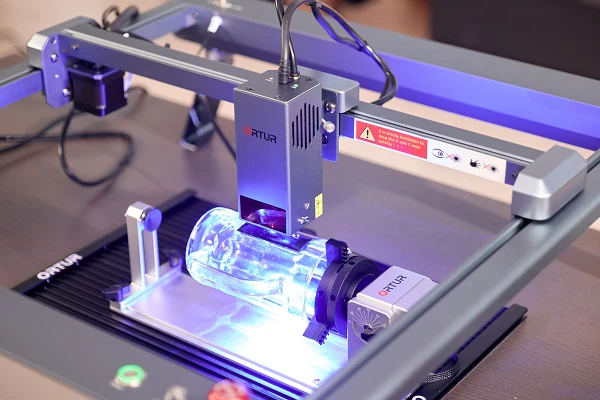
Other things include proper PPE like eyewear to protect your eyes from laser reflections and proper gloves to handle glass safely. If you are etching cups or tumblers then you need a rotary attachment for your laser hardware to allow etching on a spherical surface. Most laser engravers are compatible with rotary rollers designed for cylinder engraving, which enables photo etching on glass surfaces of cups and tumblers.
Step-by-Step Process for Photo Etching on Glass
- The very first step is to choose and prepare your photo which must be in high resolution and good contrast to get optimal results. Make sure to select photos with clear details to get good etching impressions.
- Use design software (as explained before) to convert the photo you selected into a high-contrast black-and-white image. Also tweak the brightness, sharpness, and contrast, if necessary. Also, adjust the image size according to your glass item to avoid distortion.
- Thoroughly clean the glass surface with isopropyl alcohol to remove dust, dirt, and oils. We also recommend applying masking tape to areas of the glass that you want to protect from laser etching.
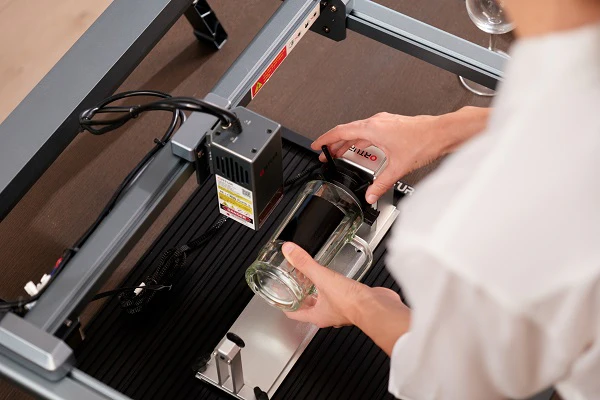
- Once clean, place the glass item on the laser bed while ensuring that it is flat and secure in its position.
- Set the laser parameters for the desired depth and initiate once done. These parameters include power (higher power is for deeper etching), resolution (higher resolution for finer details), and speed (slower speeds for detailed designs).
- Once done, do a test engraving on a spare glass followed by a final etching on the actual item.
- After finishing the etching process, remove the masking tape and use a soft brush to clean any residue buildup. Again, use isopropyl alcohol and a microfiber cloth to clear up the etching. There you have it.
Wrapping Up
As we conclude our tutorial and useful tips for photo etching on glass, we can state that even a well-explained tutorial will not be very effective if your laser engraver and cutter are not optimized for glass etching. At 3DLasermonkey, we’re here to help you choose the right equipment and provide expert guidance for achieving the best results when doing glass etching for spherical objects and other flat gifts. Whether you’re a beginner or an experienced maker, the right laser engraver combined with proper technique will help you create stunning photo-etched glass pieces.