
At 3D Laser Monkey, we’ve seen first-hand how 3D printing is changing the way people create, prototype, and solve problems. So let’s take a look at where the technology is today, what’s holding it back, and what the future might look like.
How Does 3D Printing Actually Work?
Before we dive in, let’s quickly cover the basics. 3D printing (also called additive manufacturing) builds objects layer by layer, following a digital 3D model. Instead of carving something out of a block of material, you’re building it up from nothing.
There are several different types of 3D printing technology:
FDM / FFF (Fused Filament Fabrication)
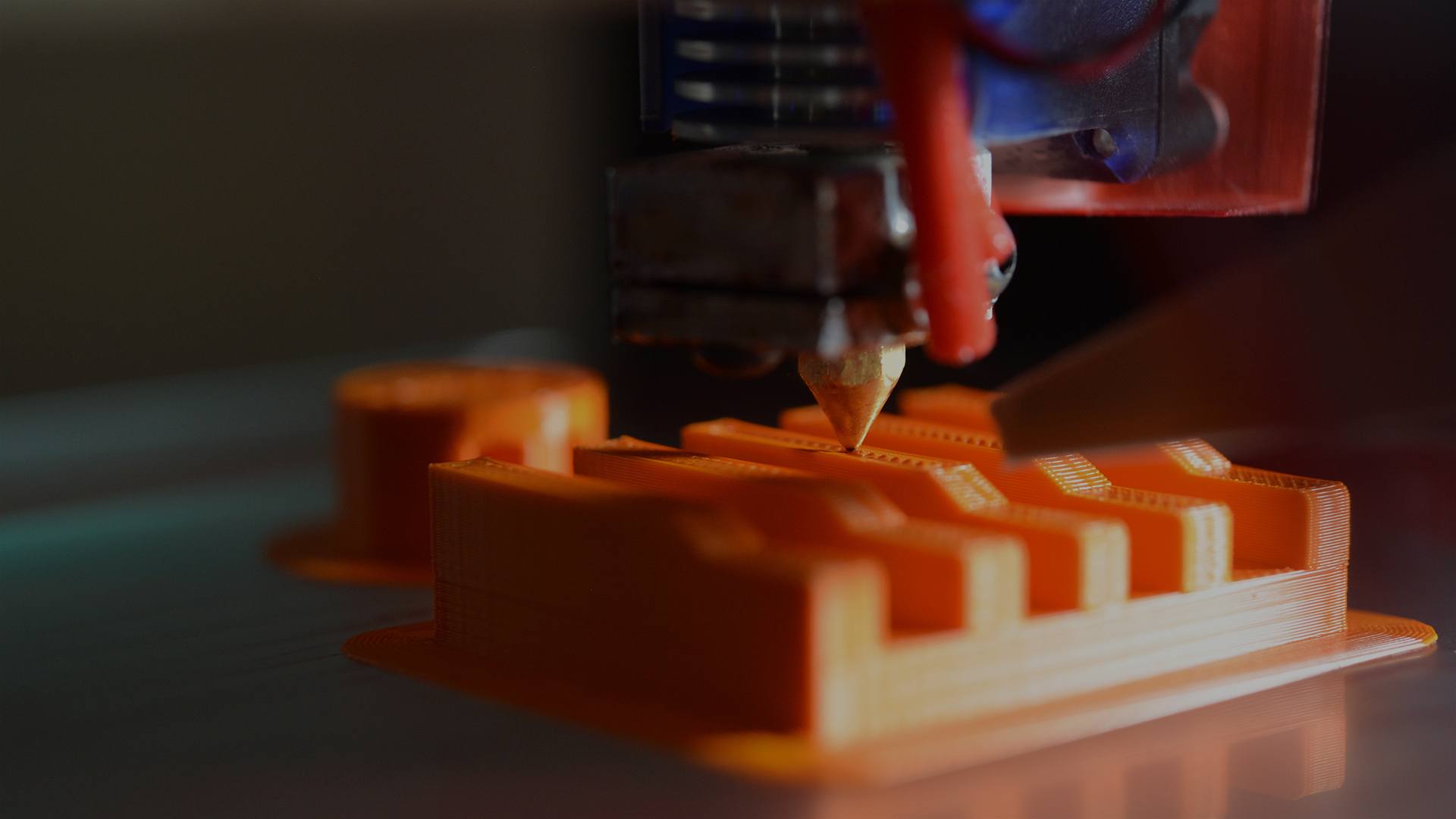
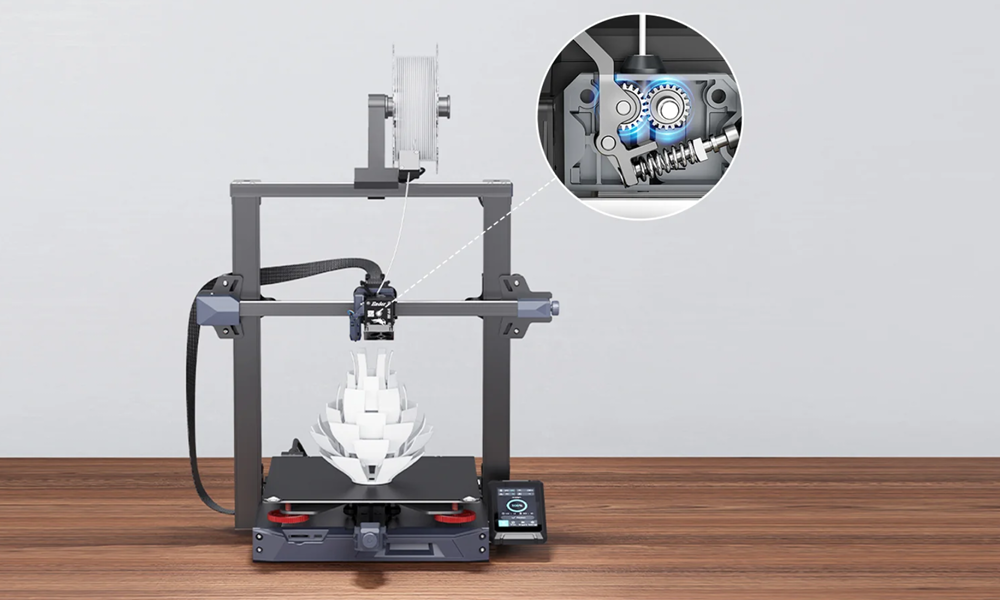
This is the most common type – and probably what you picture when you think of a 3D printer. A spool of plastic filament is fed through a heated nozzle, which melts the plastic and deposits it layer by layer to build the object.
Pros: Affordable, widely available, good range of materials Cons: Visible layer lines, not the smoothest finish
This is what most desktop 3D printers use, including many of the ones we work with at 3D Laser Monkey.
Resin Printing (SLA / MSLA)
Resin printers use light (either a laser or UV LEDs) to cure liquid resin into solid layers. The result is incredibly detailed prints with smooth surfaces.
Pros: Amazing detail, smooth finish, great for miniatures and intricate parts Cons: Messy (liquid resin requires careful handling), smaller build volumes, more post-processing
We use resin printing for projects that need fine detail – like miniatures, jewellery prototypes, or parts with complex geometry.
SLS (Selective Laser Sintering)
This industrial process uses a laser to fuse powdered material (usually nylon or metal) into solid objects. It’s used for functional prototypes and end-use parts.
Pros: Strong parts, no support structures needed, can print metal Cons: Expensive equipment, typically industrial use only
Other Technologies
There are also food printers (yes, really – printing chocolate and pasta), concrete printers for construction, and bioprinters for medical research. The technology keeps expanding into new areas.
Why Isn’t Everyone Using 3D Printers Yet?
If 3D printing is so great, why don’t we all have one at home? Good question. Here are some of the challenges the industry is still working through:
Cost
While desktop printers have become much more affordable (you can get a decent one for a few thousand rand), professional-grade machines are still expensive. And it’s not just the printer – materials, maintenance, and the time to learn how to use it all add up.
Speed
3D printing isn’t fast. A small object might take an hour or two. A large, detailed print could take days. For mass production, traditional manufacturing is still quicker and cheaper.
Learning Curve
Getting good prints isn’t always straightforward. You need to understand settings like layer height, infill, supports, and bed adhesion. And when things go wrong (and they will), troubleshooting takes experience.
Material Limitations
While the range of printable materials is growing, there are still things 3D printers can’t easily handle. And each material has its own quirks and requirements.
Not Ideal for Mass Production
If you need thousands of identical parts, injection moulding is still more efficient. 3D printing shines for prototypes, custom items, and small batches – but it’s not replacing factories anytime soon.
So Why Use 3D Printing at All?
Despite the challenges, 3D printing offers some massive advantages:
Perfect for Prototyping
Got an idea for a product? Instead of spending a fortune on tooling and moulds, you can print a prototype in a day or two. Test it, tweak the design, print again. It’s fast, cheap iteration.
Custom and One-Off Items
Need a replacement part that’s no longer made? Want a custom bracket that fits your exact specifications? 3D printing is perfect for one-of-a-kind items that would be impossible or uneconomical to manufacture traditionally.
Complex Geometries
3D printing can create shapes that would be impossible to machine or mould – internal channels, lattice structures, organic curves. If you can model it, you can probably print it.
Low Startup Costs
You don’t need a factory to start making things. A desktop printer, some filament, and a design file is all it takes. This has opened up manufacturing to small businesses, hobbyists, and inventors.
Local Production
Instead of shipping parts from overseas, you can print them locally. This is huge for reducing lead times and shipping costs – especially for replacement parts.
Do You Need to Buy a Printer?
Here’s the thing – you don’t need to own a 3D printer to benefit from the technology. That’s where services like ours come in.
If you have an idea, a design, or even just a rough sketch, we can turn it into a physical object. You get all the benefits of 3D printing without the cost and hassle of owning and maintaining a machine.
This makes sense for:
- One-off projects – Why buy a printer for a single item?
- Testing an idea – Print a prototype before committing to manufacturing
- Small businesses – Get custom parts without the capital investment
- Anyone without design skills – We can create the 3D model for you
What Do You Need to Get Something Printed?
If you want to use a 3D printing service, here’s what helps:
1. An Idea
Start with a clear idea of what you want. It doesn’t have to be perfect – even a rough sketch or description helps us understand what you’re after.
2. A 3D Model (Optional)
If you have a 3D file (.STL, .OBJ, .STEP, etc.), great – send it over. If not, don’t worry. We can create one for you based on your sketch, photos, or description.
3. Material and Size Requirements
Think about what the object will be used for. Does it need to be strong? Flexible? Heat-resistant? Does it need to fit with other parts? Let us know and we’ll recommend the right material and process.
A Few Things to Know About 3D Models for Printing
If you’re creating your own 3D model (or having one made), here are some basics:
It needs to be “watertight” – No holes or gaps in the mesh. The printer needs to know what’s inside and what’s outside.
Size matters – Printers have build volume limits. If your object is too big, we might need to print it in parts.
Wall thickness – Very thin walls might not print properly or could be fragile. We’ll let you know if adjustments are needed.
Overhangs and supports – Some shapes need support structures during printing. We handle this, but it’s good to know it can affect the final surface.
Don’t worry if this sounds technical – we check every file before printing and will let you know if anything needs adjusting.
Where is 3D Printing Headed?
The technology is improving rapidly. Here’s what we’re excited about:
Faster printers – New machines are dramatically reducing print times.
Better materials – Stronger, more flexible, more heat-resistant options are constantly being developed.
Larger build volumes – Printing bigger objects in one piece is becoming more practical.
Multi-material printing – Combining different materials in a single print (like rigid and flexible parts together).
More accessible – As prices drop and software improves, more people can benefit from the technology.
We don’t think 3D printing will replace traditional manufacturing – but it’s becoming an essential tool alongside it. For prototyping, customisation, and small-batch production, it’s already transforming how things get made.
How 3D Laser Monkey Can Help
Whether you’ve got a detailed CAD file or just an idea scribbled on a napkin, we can help you bring it to life.
Our services include:
- 3D printing – FDM and resin printing for a wide range of applications
- 3D modelling – We’ll create a print-ready model from your concept
- 3D scanning – Turn existing objects into digital files
- Prototyping – Test your product ideas before committing to manufacturing
- Replacement parts – Recreate broken or obsolete components
- Custom projects – If you can describe it, we can probably print it